


Contributors

For over a century, El Palacio has been a forum for voices exploring New Mexico’s art, archaeology, history, and landscape. Explore the writers, photographers, historians, and scientists whose perspectives have defined the magazine’s pages—past and present.

Tira Howard

Tira Howard (opens in a new tab) is a portrait, lifestyle, and fashion photographer based out of Santa Fe, New Mexico. Her work can be seen in V Magazine, Cowgirl Magazine, Table Magazine, New Mexico Magazine, El Palacio magazine, Pasatiempo, Cowboys and Indians Magazine, The Santa Fe New Mexican magazines, The Santa Fe Reporter, Western Art & Architecture Magazine, and Edible New Mexico Magazine.

A Gathering Point

Driving to the southern New Mexico town of Mesilla feels like slipping into a peaceful dream.  Leave behind the noise and frantic energy of I-10, and soon the wide, winding road takes you past pecan orchards, chile fields, and acequias that have been used for generations. Get closer to the plaza, and the adobe buildings begin to cluster tightly together. The sound of church bells drifts above narrow streets and tiled portillos.
Before the Famous Fossils: Ancient Life in the Paleozoic Era in New Mexico

Talking about ancient life and the Paleozoic Era (252 to 541 million years ago) in New Mexico elicits various unexpected responses. Oh, cool! The ancient Puebloans. Well, no. A little further back. Great! Dinosaurs. Charismatic megafauna get all the press, but no, earlier in geologic time. Occasionally, Oh. I tried that diet. No, again. Long before people living the Paleo diet, those who walked through White Sands at the end of the last ice age, and before New Mexico’s famous dinosaurs, the Bisti Beast and Coelophysis (74 and 208 million years ago, respectively), what we now call New Mexico was a dynamic landscape teeming with life.

A Brief History of Navajo-Churro Sheep

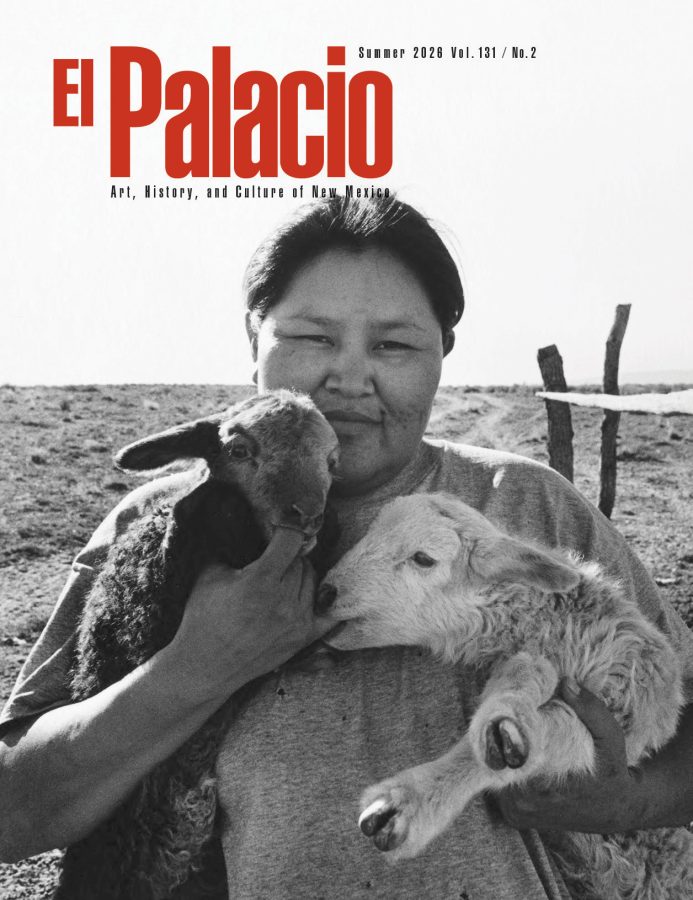
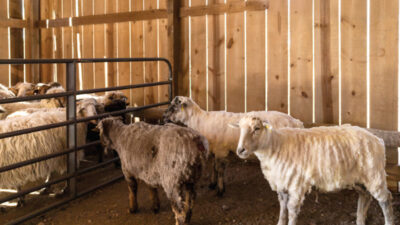
After shearing a Navajo-Churro sheep, the raw wool is still warm when it is handed off for processing. The fleece is first skirted—a process in which burrs, animal waste, second cuts, and ratty wool is removed prior to washing. The lanolin, which provides the sheep with natural waterproofing, gives the fleece a slightly sticky texture. The fleece from each sheep is bagged separately because many fiber artists prefer to know that the wool they are using comes from only one sheep.

She, The Mountain

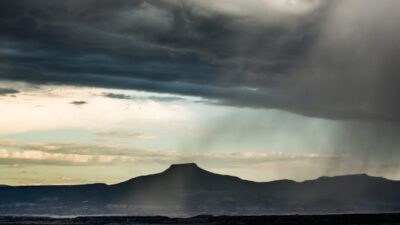
At a sleepover when I was seven, my friend said the mountain was a volcano that would erupt at any moment, cracking the dam and flooding Abiquiú. I stayed up most of that night panicking over my impending death. I prayed we would float down the valley like worn winter leaves on water. For years I watched the mountain, leery of her fragile flattop and percolating lava within.

Historic Site Conversations: 

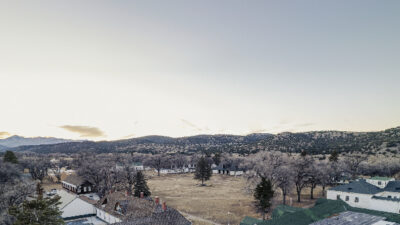
New Mexico Historic Sites hired Dr. Oliver Horn as the new regional site manager to oversee the operations of Fort Stanton and Lincoln Historic Sites. Recently, Olivers at down with Historic Sites’ historic preservation and interpretation specialist, Dr. C. L. Kieffer, for a conversation about their shared passion for history, preservation, and interpretation at Fort Stanton—the largest historic site in the state. C. L.

Down to Earth

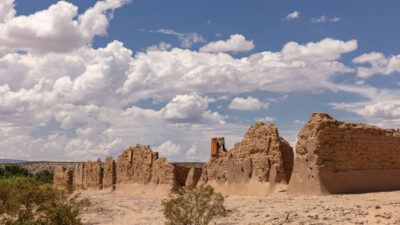
So much that could have gone wrong in 1865 at Fort Selden Military Reserve somehow didn’t. Soldiers outfitted with inferior tools and a lackadaisical spirit, occasionally enlivened by one officer’s proffer of whiskey, nevertheless managed to stack adobe bricks into walls and hoist vigas to the ceilings. Once constructed, the fort withstood the vagaries of life on the southern frontier of New Mexico Territory.

Apple Glow

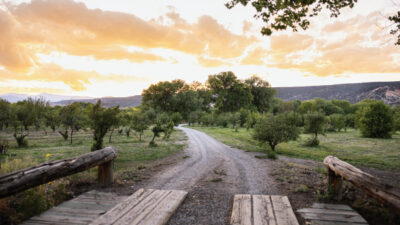
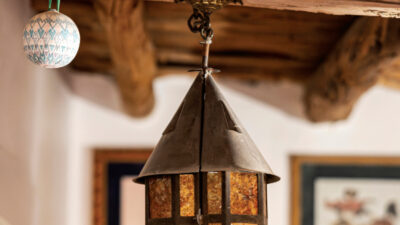
BY BRANDON BROWN In late September, Tira Howard and I chased the light around Los Luceros Historic Site. Tira works on contract for the Department of Cultural Affairs and frequently takes gorgeous photos of our museums and historic sites. You might recognize her work from former El Palacio editor Charlotte Jusinski’s story on Bosque Redondo Memorial in the Summer 2022 issue.

A New Frame for New Mexican Art

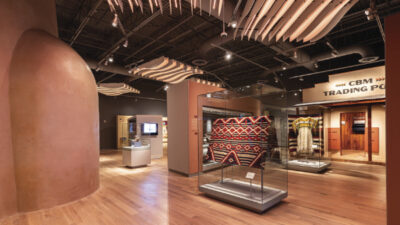
BY RAY MARK RINALDI WHAT DOES IT MEAN FOR A PIECE OF ART TO BE NEW MEXICAN? Does it have to be created in the state? Or made by an artist who was born, or spent significant time, in New Mexico? Could it be produced somewhere far away by someone who never set foot within the state’s borders, but qualify because the subject matter is a person or place or idea connected to its centuries of history?

Full Circle

By Kim Suina MelwaniPhotographs by Tira Howard When I was young, my family had a subscription to National Geographic. It was not unusual to see them lying around the house, but one particular issue grabbed my attention. On the magazine’s November 1982 cover, flanked by numerous clay children, sat a familiar Pueblostoryteller figurine made by Helen Cordero who, like me, was from Cochiti Pubelo.

Challenging History

By Charlotte Jusinski The town of Fort Sumner, New Mexico, is quiet and pastoral. The streets of the farming and ranching community are gravelly and pocked, and rusty signs for Billy the Kid’s grave or Fort Sumner Lake dot the shoulders like tired but richly patinaed sentinels. Sometimes the whole town smells vaguely of petrichor, thanks to the Pecos River lurching lazily through the plains nearby, and irrigation ditches lining the streets fill the fields thick with green crops each spring and summer.