

Contributors
For over a century, El Palacio has been a forum for voices exploring New Mexico’s art, archaeology, history, and landscape. Explore the writers, photographers, historians, and scientists whose perspectives have defined the magazine’s pages—past and present.
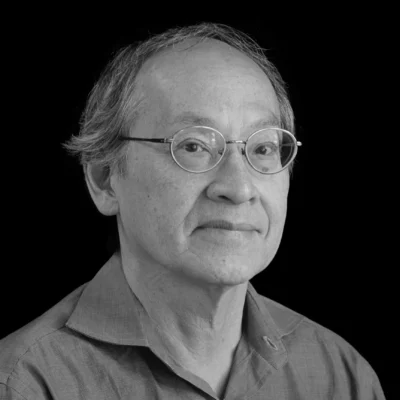
Arthur Sze
Arthur Sze is the current U.S. Poet Laureate. Sze is a poet, translator, and editor. He is the author of twelve books, including Into the Hush, Sight Lines, and others. Sze’s poems have been translated into fifteen languages, and he is the recipient of the National Book Award among many other honors. He lives in Santa Fe.
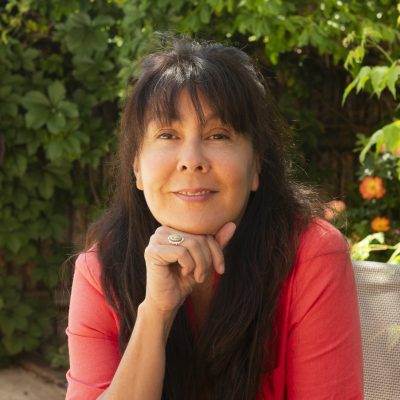
Deborah Jackson Taffa
Deborah Jackson Taffa is a citizen of the Quechan Nation and Laguna Pueblo. Her memoir Whiskey Tender was a 2024 National Book Award Finalist and was longlisted for the 2025 Carnegie Medal for Excellence in Nonfiction. Taffa serves as the director of the MFA in creative writing program at the Institute of American Indian Arts.
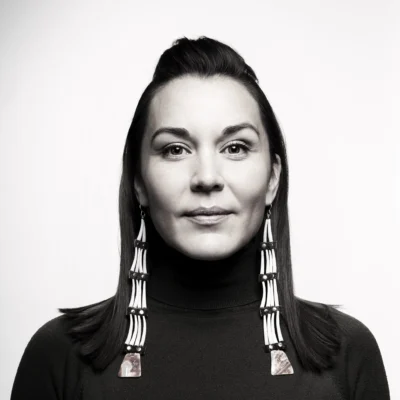
Cara Romero
Cara Romero is an award-winning contemporary fine art photographer. An enrolled citizen of the Chemehuevi Indian Tribe, Romero’s expansive oeuvre has been informed by formal training in film, digital, fine art, and commercial photography. She maintains a studio in Santa Fe, regularly participates in Native American art fairs, and was featured in PBS’ Craft in America (2019).
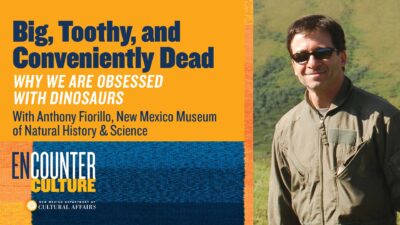
Anthony Fiorillo, PhD,
Anthony Fiorillo, PhD, is the executive director of the New Mexico Museum of Natural History & Science and is an active researcher and pleontologist. He received his PhD in geology from the University of Pennsylvania. In 2000 and 2007, he received the Alaska Region Natural Resource Research Award and in 2019 he received the international George Wright Society’s Natural Resources Achievement Award. Traversing several continents, Dr. Fiorillo has studied dinosaurs and the environments in which they lived, and for more than two decades, he has focused on the Cretaceous of Alaska. His teams in Alaska have made significant advances in the understanding of ancient Arctic biodiversity and paleoecosystems as a way of understanding future climates.