




Contributors

For over a century, El Palacio has been a forum for voices exploring New Mexico’s art, archaeology, history, and landscape. Explore the writers, photographers, historians, and scientists whose perspectives have defined the magazine’s pages—past and present.

Blair Clark

Blair Clark is an illustrative photographer with over thirty years experience in studio and on-site photography and almost twenty-five years in museum photography.

The Beautiful City of Tirzah

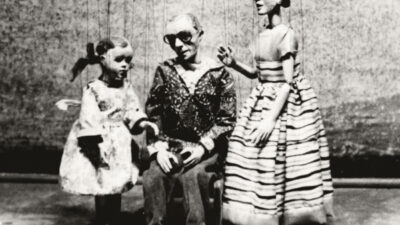
Animals come after my father dies. Dogs. Cats. Ducks. Geese. A goat. A peacock. They wander to our North Valley home several years into his absence—appearing on our doorstep or catching our eye from feed store cages. Always, we take them in. We line our laundry room floor with old bath towels, fill cereal bowls with tap water, then flick off the ceiling light to watch them sleep.

No Untroubled Worlds:

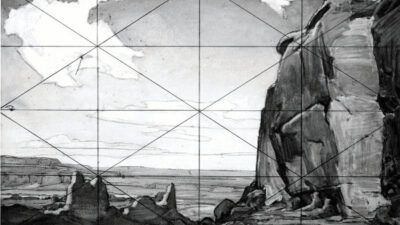
by JenniferLevin Gustave Baumann is best known for color woodcuts depicting Southwestern landscapes—gorgeous compositions of chamisa, piñon, mountains, and sky. He came to New Mexico from the Midwest in 1918 and fell in with other legends of the era like John Sloan, Mary Austin, and Will Shuster—with whom he collaborated on creating the first Zozobra. Credited with helping create the modern era of American Southwestern art, he and his friends often depicted scenes of Pueblo life and Hispanic Catholic iconography.
Embroidering the Canon

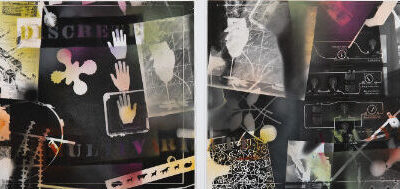
By Emily Withnall When an eclectic scattering of artists across the United States began pushing the boundaries of what photography could be in the 1960s and ’70s, they did not collectively name themselves. Organizing their movement would have been the antithesis of what they were trying to do. Though it is impossible to fully capture the range of approaches each artist took in creating their work, they were each trying to challenge the idea that photography was a window into reality.

Found in Collection

By Michelle Gallagher Roberts In early 2007, staff at the New Mexico Museum of Art were implementing the first phase of planned collecting storage renovations that required all artworks from the first collection storage room be removed from the space to allow for the installation of new state-of-the-art compact art storage. More than 1,700 artworks had to be inventoried and relocated in the span of nine days.