
Contributors

For over a century, El Palacio has been a forum for voices exploring New Mexico’s art, archaeology, history, and landscape. Explore the writers, photographers, historians, and scientists whose perspectives have defined the magazine’s pages—past and present.

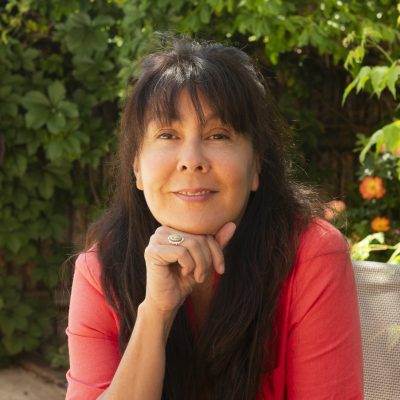
Amy Groleau

Amy Groleau is a curator at the National Museum of the American Indian, part of the Smithsonian. She is a former curator of Latin American Folk Art at the Museum of International Folk Art in Santa Fe, New Mexico. Amy holds a PhD and MA in Anthropology from SUNY Binghamton and a BA in Anthropology from teh Unviersity of Massachusetts Amherst. Amy’s work focuses on contemporary and ancestral Andean history and material culture, craft traditions and popular arts in Latin America, post-conflict memory work, and art in service of community.

Unnatural Resources

BY AMY GROLEAU AND MARLA REDCORN-MILLER As artists, Aymar Ccopacatty (Aymara) and Nora Naranjo Morse (Santa Clara Pueblo) each explore the question of non-biodegradable waste in Native communities through their art. Independently and on separate continents, Ccopacatty and Naranjo Morse both noted the overshadowing presence of landfills on their respective ancestral lands, and saw the trash as a kind of natural resource—similar to the way that artists have harvested natural fibers from sheep to make weavings, or pulled clay from the earth to make pottery.

Project Indigene in Action

In the spring of 2018, eight dynamic Santa Fe cultural institutions joined forces in a collaboration called Project Indigene to examine perspectives and create awareness of some of the issues facing indigenous art: authenticity, appropriation, activism, and artistic identity.  These complex issues sparking public discourse are addressed in works in the permanent collections of these institutions, or works that will be investigated in upcoming exhibitions.

Neon Signs of Life

BY AMY GROLEAU Gráfica Popular Limeña (the folk graphic tradition of Lima) was born in the streets. It has roots in working-class neighbor­hoods, on hand-lettered signs for small businesses. Swooping letters in bright colors announcing locksmiths, hair salons, and cevicherías line the market stalls and sidewalks of the city. This graphic tradition blossomed into the fluorescent artwork that has become synonymous with Lima, seen on the ubiquitous posters for chicha (a musical style that blends Colombian cumbia rhythms, Andean folk instruments, and electric guitars) concerts.

Opening the Doors to Closure

BY AMY GROLEAU | TRANSLATED, FROM THE SPANISH, BY STEPHANIE RIGGS AND AMY GROLEAU At the height of the violence of Peru’s Internal Armed   Conflict in the late 1980s, Edilberto Jiménez Quispe (Quechua) created a series of singular works giving testimony to the atrocities being experienced in his home region of Ayacucho. Using the art form passed down from his parents, Edilberto created scenes in miniature with potato flour and plaster, filling decorative boxes known as retablos with truths that were being suppressed in journalistic outlets.