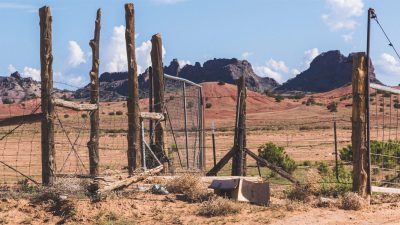
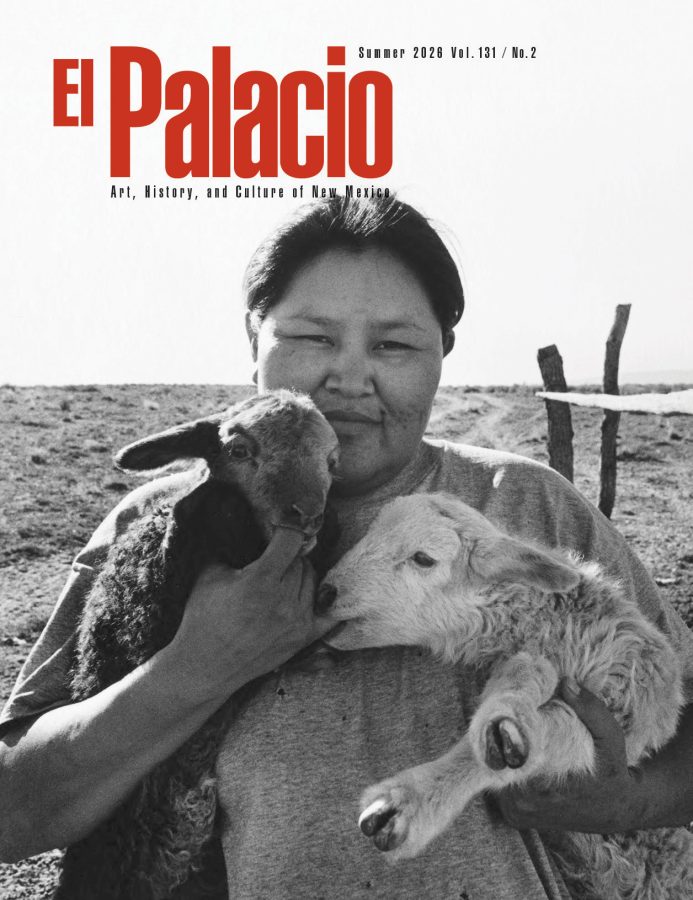

A Diné Horizon
By Dr. Michelle J. Lanteri A horizon connects multiple planes of existence by way of light, and experiencing horizons—whether literal or metaphorical—is a commonality shared between beings. Horizons: Weaving Between
New Mexico Department of Cultural Affairs welcomes you to subscribe and support our state’s cultural treasures.
By Dr. Michelle J. Lanteri A horizon connects multiple planes of existence by way of light, and experiencing horizons—whether literal or metaphorical—is a commonality shared between beings. Horizons: Weaving Between
By Kim Suina MelwaniPhotographs by Tira Howard When I was young, my family had a subscription to National Geographic. It was not unusual to see them lying around the house, but one particular issue grabbed my attention.
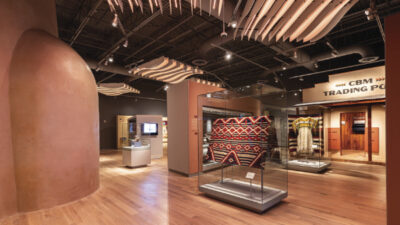
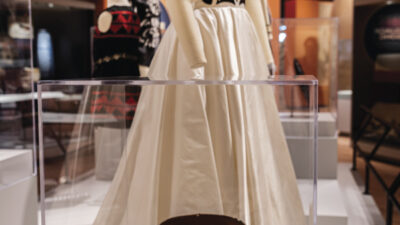
By Lillia McEnaney As visitors enter the Arts section of the Here, Now and Always at the Museum of Indian Arts and Culture, they are greeted by a large platform exhibiting several dresses, evoking the vision of a high fashion runway show.
By Almah LaVon Rice Their heads are tilted back, casting praise skyward. Eyes closed to everything but rapture, their mouths are OOO’d in song or supplication. Six clay figures—Mary, Joseph, the shepherd, and three wise men—arc around five smaller figures: a donkey, cow, two sheep, and in the center, Baby Jesus in a manger.
By Laureli IvanoffPhotographs by Kevin Lange Joy Harjo helps one to understand the concept that God, the Creator, should be feared. Having the chance to talk with the three-term United States poet laureate was like a wannabe boxer meeting Muhammad Ali.
A century of harking back and looking forward at Santa Fe’s beloved summer institution Each August, an estimated 100,000 people attend the largest juried Native American art show in the world: the Southwestern Association of American Indian Arts’ annual Indian Market.
By Chela Lujan I am grateful for the land, for my hands. Grateful for the browned earth hardened by the sun, scented with chamisa and sage after the rain. Palms thick as groves of chokecherry, gnarled fingers like piñon, they are an extension of my Creator and my creation.
By Ross Altshuler In 1932, Dr. Harry Percival Mera (1875-1951), curator at the Laboratory of Anthropology, embarked on a trip to the Navajo Nation with the purpose of assembling an assortment of Navajo silverwork to form the beginnings of the Lab’s jewelry collection.
In Cara Romero’s black and white photograph Sand & Stone, Chemehuevi and Diné woman Sheridan Silversmith is embedded in earth. Her head and clasped hands are above the surface of the hard, dry dirt, but the rest of her body is not visible.
By Almah LaVon Rice Where does glass come from? From the Phoenicians, ancestors of the alphabet in modern-day Lebanon, Syria, and Israel. Or perhaps the Sumerians, inventors of the cuneiform, were the first fashioners of glass in what is now southern Iraq.