

Cruising the Mother Road
I found my first taste of freedom crisscrossing cornfields shadowed by windmills in rural Indiana in a hand-me-down Oldsmobile. Burnt CDs from friends and lovers made my small-town life feel cinematic.

New Mexico Department of Cultural Affairs welcomes you to subscribe and support our state’s cultural treasures.
I found my first taste of freedom crisscrossing cornfields shadowed by windmills in rural Indiana in a hand-me-down Oldsmobile. Burnt CDs from friends and lovers made my small-town life feel cinematic.
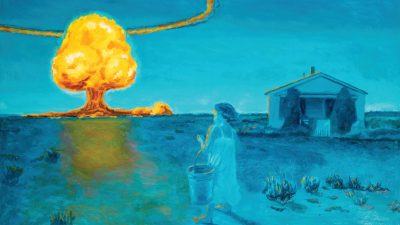
“Dear Journalist,” the letter starts. “You have been tasked with investigating recent deaths linked to alleged creature sightings in the Tularosa Basin area. It is speculated that these deaths have been occurring in Southern New Mexico ever since ‘the sun rose twice’ last year.” These are the initial instructions for a 3D point-and-click video game called El Sol.
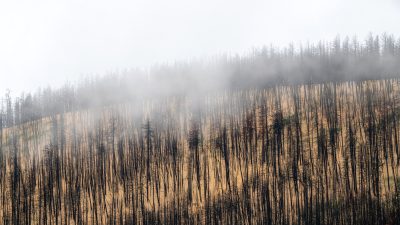
In April 2022, the largest and most destructive wildfire in New Mexico history, known as the Hermit’s Peak/Calf Canyon Fire, erupted in the Santa Fe National Forest.The wildfire originated from two U.S.
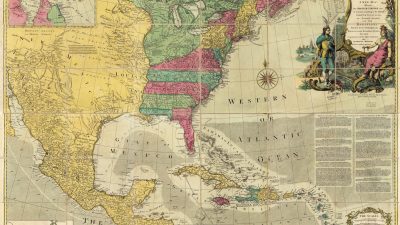
It is known today as New Mexico, a place where time is recognized as “immemorial.” Here, the footprints of people in motion, likely left 23,000 years ago, remain impressed upon the land.

Indigenous Artists in the Movement to Protect Their Homelands Embedded in the mountainscape are pages from a large-scale printing of the Declaration of Independence. The bottom half of the pages are intentionally singed as they meld into distinctly pueblo black and white line work, accentuated by two cornstalks and a prickly-pear cactus at the center with ripe red fruit, seemingly ready for picking.
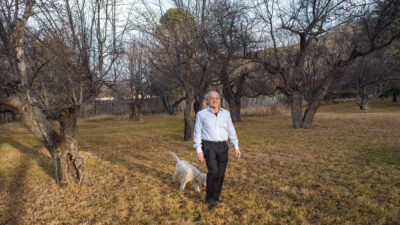
Read six selected Sze poems published in this issue here. At age twenty-one, Arthur Sze hitchhiked from El Paso to Santa Fe in a single day. Knowing no one, and accompanied only by his boundless curiosity, he arrived seeking a place to build a life as a poet.

Driving to the southern New Mexico town of Mesilla feels like slipping into a peaceful dream. Leave behind the noise and frantic energy of I-10, and soon the wide, winding road takes you past pecan orchards, chile fields, and acequias that have been used for generations.

If you are walking on the New Mexico Highlands University campus in Las Vegas, New Mexico, and you find yourself on the south side of Hippie Hill, and you know where to look, you can see the phrase “Viva la Raza” scratched into the sidewalk.
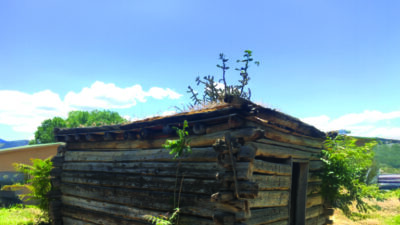
After the Spanish introduced wheat to the Americas, molinitos (small gristmills) in New Mexico played a major role in the agricultural economy for centuries. Wheat, in its ground form as flour, was a staple during the Spanish colonial period of the fledgling Province of Nuevo México.

When violence erupted in early 1935 after the Gallup American Coal Company attempted to evict striking miners from its coal camps, Robert Minor, the famous union activist, raced to Gallup, New Mexico, from New York to help.