
Cruising the Mother Road
I found my first taste of freedom crisscrossing cornfields shadowed by windmills in rural Indiana in a hand-me-down Oldsmobile. Burnt CDs from friends and lovers made my small-town life feel cinematic.

New Mexico Department of Cultural Affairs welcomes you to subscribe and support our state’s cultural treasures.
I found my first taste of freedom crisscrossing cornfields shadowed by windmills in rural Indiana in a hand-me-down Oldsmobile. Burnt CDs from friends and lovers made my small-town life feel cinematic.
My mother was adopted through the Indian Adoption Project, a federal program that ran from 1958 to 1967 and was designed to assimilate Native children by placing them with white families.
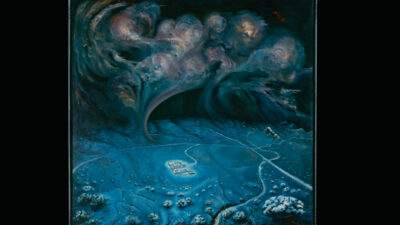
I was on a video call early in the pandemic with my friend Jamie Figuroa, when I articulated it for the first time. I had just finished reading her novel, Brother, Sister, Mother, Explorer, which is set in Santa Fe and captures so well the community’s beauty and power, as well as its dangerous magic and its shadowy underbelly.
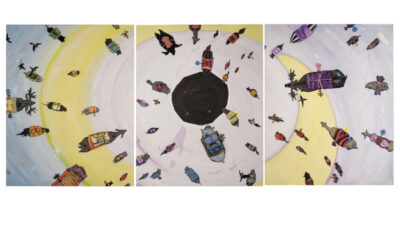
In her 1988 collection, Favorite Folktales from Around the World, the folklorist Jane Yolen introduced humans as the primary source of stories, writing that, “Only humans can create tales that change or structure the world in which they live.” However, this statement is challenged by the menagerie of beings which painter and sculptor Eliza Naranjo Morse calls forth in her art.
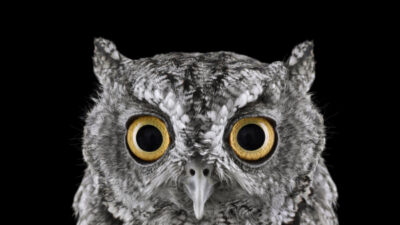
Animals come after my father dies. Dogs. Cats. Ducks. Geese. A goat. A peacock. They wander to our North Valley home several years into his absence—appearing on our doorstep or catching our eye from feed store cages.
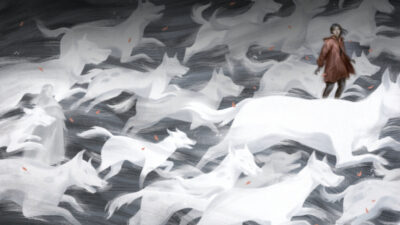
The New Mexico Museum of Space History is perched where the steep foothills of the Sacramento Mountains are flattened by gravity and erosion. The building is flared at the base as if a rocket were hidden at its foot, ready to blast into the sky.
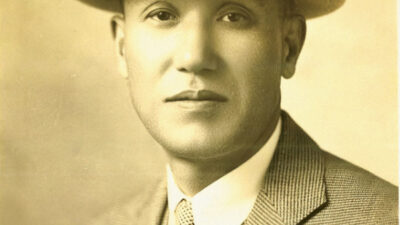
Pearl Harbor, Honolulu, was attacked at 7:55 a.m. Hawaii time. It was 10:55 a.m. in Seattle on Sunday, December 7, 1941, which also happened to be my fourth birthday. My mother often talked about that day, telling of the two tall white men who entered our home that evening: the FBI.
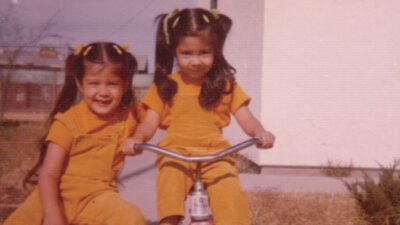
Remembering the Animas River helps me forget, at least for a moment, the challenges, fears, and feelings of inadequacy I experienced in my childhood. Memoria praeteritorum bonorum. My own set of rose-colored glasses.
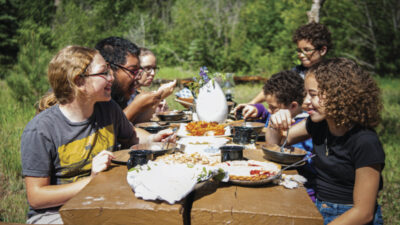
When we arrive at the table, we witness an assortment of heads intermittently lowered in praise-filled bites, not prayer, trying to draw the meal out as long as possible. No food grows cold or is left over, which is the ultimate compliment to the chef.
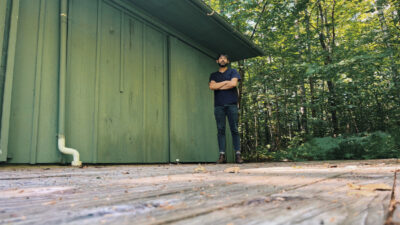
A drone glides across an empty riverbed, then transitions to a seemingly endless double line of tanker cars transporting oil on train tracks in the video art piece, In Transition Is the Most Honest.