
Contributors

For over a century, El Palacio has been a forum for voices exploring New Mexico’s art, archaeology, history, and landscape. Explore the writers, photographers, historians, and scientists whose perspectives have defined the magazine’s pages—past and present.

Elizabeth Perrill

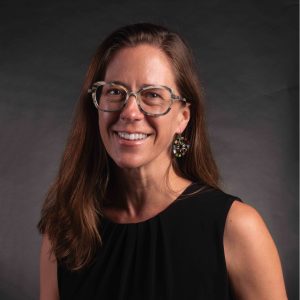
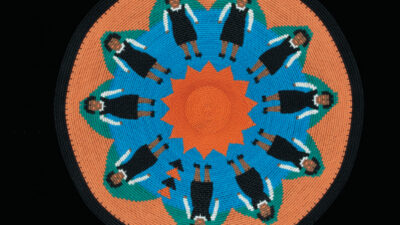
Elizabeth Perrill (opens in a new tab) is professor of Art History at the University of North Carolina at Greensboro and the guest curator of iNgqikithi yokuPhica/Weaving Meanings: Telephone Wire Art from South Africa at the Museum of International Folk Art. This article was written with extensive editorial input from the community curator and lead Indigenous knowledge expert for iNgqikithi yokuPhica

Weaving New Meanings

Without traffic, it only takes thirty minutes to reach KwaMashu and Siyanda. Past Durban’s inner suburbs, stadiums, mansions, and malls, I reach the few highway entrances that connect these historically Black neighborhoods—home to over 175,000 people, over ninety percent of whom are isiZulu-speaking—to the rest of this 3.25-million-person harbor city. As I enter KwaMashu, the road narrows and the terrain becomes less grid-like.