
Contributors

For over a century, El Palacio has been a forum for voices exploring New Mexico’s art, archaeology, history, and landscape. Explore the writers, photographers, historians, and scientists whose perspectives have defined the magazine’s pages—past and present.

Lillia McEnaney

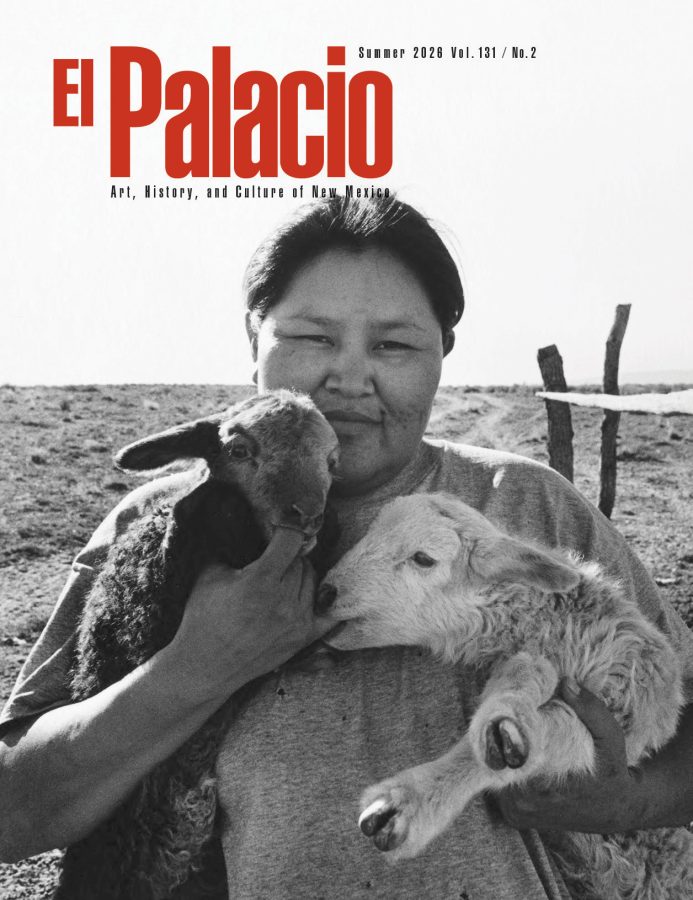
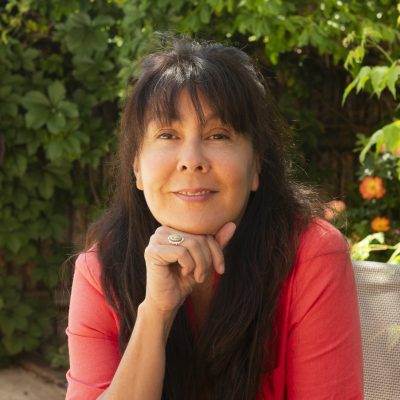
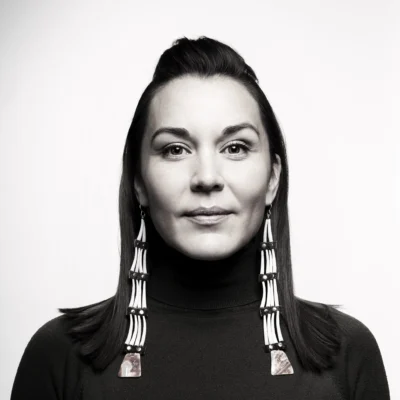
Lillia McEnaney (opens in a new tab) is a museum anthropologist and independent curator living and working in Santa Fe, New Mexico. Lillia is an assistant professor of museum studies at the Institute of American Indian Arts. Her ongoing projects include collaborations with the School for Advanced Research Indian Arts Research Center and the Navajo Nation Museum. Lillia is co-editor, with Dr. Jennifer Nez Denetadle (Diné), of “Our Livestock Will Never Diminish” / “Nihinaaldlooshii doo nídínééshgóó k’ee’ąą yilzhish dooleeł:” Breathing Life into the Photography of Milton Snow Across Diné Bikéyah (University of New Mexico Press, 2026). Previously, Lillia was assistant curator at the Museum of Indian Arts & Culture, director of the Hands-On Curatorial Program at the Ralph T. Coe Center for the Arts, and adjunct instructor in Lehigh University’s Department of Art, Architecture, and Design/Semester in the American West. She holds an MA from New York University and a BA from Hamilton College.

Weaving New Meanings

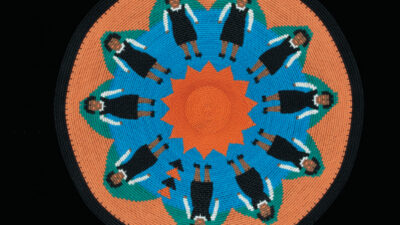
Without traffic, it only takes thirty minutes to reach KwaMashu and Siyanda. Past Durban’s inner suburbs, stadiums, mansions, and malls, I reach the few highway entrances that connect these historically Black neighborhoods—home to over 175,000 people, over ninety percent of whom are isiZulu-speaking—to the rest of this 3.25-million-person harbor city. As I enter KwaMashu, the road narrows and the terrain becomes less grid-like.
Evoking Empowerment

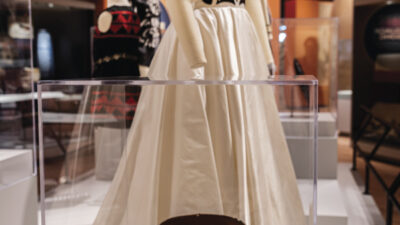
By Lillia McEnaney As visitors enter the Arts section of the Here, Now and Always at the Museum of Indian Arts and Culture, they are greeted by a large platform exhibiting several dresses, evoking the vision of a high fashion runway show. Alongside the dresses are historic ceramics, decorative footwear, and mixed-media purses. Central on this platform is a strikingly voluminous couture gown with terracotta and black design elements along its bust.

Finding Her Place in Clay

By Lillia McEnaney with Charlotte Jusinski In the 1960s, potter Helen Cordero (Cochiti Pueblo) turned to her grandfather for inspiration. Known for being an engaging storyteller, Santiago Quintana was always surrounded by children. Cordero took the image of a seated figure surrounded by a crowd of little ones, avidly listening to a story, and sculpted it in clay. This “storyteller” figure quickly gained popularity, with potters throughout the Pueblos soon creating their own versions.