From Javelinas to Oil Refineries: Building the New Mexico Epic Poem Project One Community at a Time
By Lauren Camp and Michelle Laflamme-Childs
Lauren Camp: The goal was to go everywhere, county to county across the state, reaching many small, rural communities. I started in Alamogordo, in the south-central part of New Mexico, reading poems and answering questions, then watching with delight as everyone in the vast crowd wrote in response to a prompt I gave. The next day, I watched the dunes shift at White Sands, restoring, remaking.
After that, New Mexico Arts and I agreed to partner for this new project. Our first event together was at the public library in Gallup. The librarians set chairs out in a hoop shape. They put out a terrific spread of snacks for after. Then they stepped away, leaving us to deliver a worthy program. People arrived, middle-aged and older, ready for poetry. A man walked in with his three pre-teen daughters. When I asked if any of them wrote, one daughter, just one, nodded. Slightly.
I spoke to the audience, but I spoke techniques and approaches and encouragement toward her. From that experience, I understood my role in each venue—to build a circle, a safe space, and gently spread confidence. To guide them and give permission: not in how to write, but how to trust themselves to write.
Michelle Laflamme-Childs: As the crow flies, my office in Santa Fe is about nine thousand miles from the coast of Antarctica, which is just shy of the number of miles Lauren Camp and I drove together to cities, towns, and villages across New Mexico for the Epic Poem Project. Together we sought to gather writing from communities through public workshops that we would later use to assemble crowd-sourced poems about each place using the words of the people from that place.
Lauren: New Mexico is the fifth largest state—by land area—in the country. There were so many places to reach that we could have gone anywhere. Daunted by a map full of perfect (i.e., rural and arts-underserved) locations, we followed the Wonders on Wheels (WOW) mobile museum that first summer of 2023. I led brief workshops to accompany their gorgeous exhibition of Gustave Baumann’s art. We scheduled Epic Poem Project events in each area for the evening. This got us to Roswell, Farmington, Tucumcari, Curry and Roosevelt counties, and Deming. The street murals, the old theaters, railway stations: the architecture of each place fascinated. The whistles of trains and ravens guided us on. Wide fields of wildflowers, snowbanks, descansos, and the blades of wind turbines brought us toward each new destination.
The project got clearer and became more real. We met in coffee shops, libraries, colleges, high schools, elementary schools, a local radio station, planetarium, a ranch, art spaces, community centers—any place where people could freely gather.
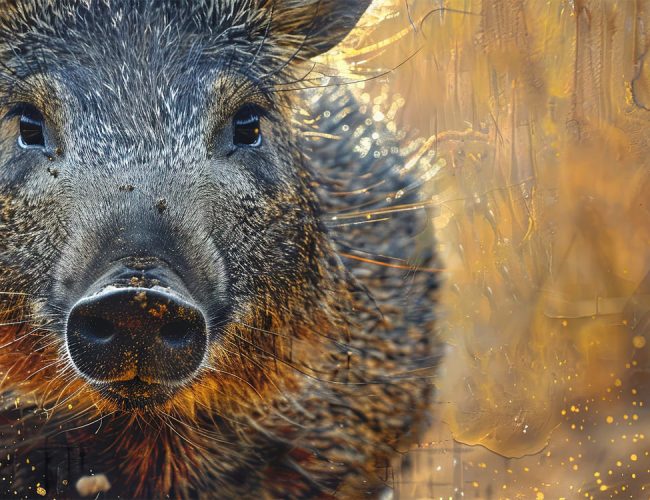
Michelle: Although the format and structure of each workshop remained basically the same, the unique personalities of the residents in each community made every visit feel fresh and exciting. In the village of Reserve, the group was lively and jovial as they shared the legend of Elfego Baca and stories about hiding from a yard full of javelinas. A young woman in Artesia described the omnipresent smell of the local oil refinery as comforting and sweet, remembering it from her father’s work clothes. Madrid’s workshop took place at the local community radio station and initially, a group of older male visual artists were quiet until Lauren asked them to describe their artistic processes. The resulting poem reflects Madrid’s quirky vibe and outlaw energy.
Lauren: In Las Cruces, a crowd of college kids and older adults gathered in, eager for the open mic and writing exercise. In Truth or Consequences, the local poetry group and seemingly another half of the town joined. We went to Socorro in a blizzard, Roswell in intense heat, and Portales in a downpour. In Gallup, the organizers scrambled to put out more and more chairs.
Michelle: Lauren and I were compatible travel partners and despite the occasionally grueling schedule, we tried to make time in each community to eat local food, browse public libraries, and poke around in secondhand stores. These side-quests proved to be valuable in gleaning additional insights about each place, and colored how we went about collaging the poems.
Lauren: In each place people showed up, often uncertain about poetry. They came cautious but willing to learn more, to hear (perhaps) their own voices. I gave them time to read works they love or things they’d written in journals or pushed under their beds. We all discussed poetry so casually and openly—what it’s for, why you might turn to it, how it works.
Michelle: As you might expect, there were some common themes from community to community—wind, sun, trains, chile—however, each of the constructed poems is unique both in form and content, showcasing the people and places we visited with specificity and personality.
Lauren: Each time, we drove and landed somewhere else, somewhere quiet and wonderful. We talked and encouraged attendees. We gathered responses from residents so we could build each community their own poem from their own words.
Michelle: The twenty-nine crowd-sourced poems will be printed as broadsides, one for gifting back to each community and a full set that will be displayed at the New Mexico History Museum’s Palace of the Governors along with community-sourced artworks from the places we were unable to visit. The longer-term plan is also to publish a book. Showing all the poems and accompanying artworks together will not only celebrate the distinctive characteristics of each community, but also collect them into a larger narrative about our vast, astounding state.
Lauren: The little towns that murmur from the sidelines: those have my heart. We all have New Mexico’s wide sky to connect us, but the writing and conversations made regions on a map pulse with names and colors. We invited residents to help us understand where they live, and they in turn let their words—and the spirit and textures of their places—accompany us on our growing journey. It has been one of the great privileges and honors of my life to co-create and guide this project. Every mile earned us a new vista, a new dirt road that could loop and tie us to community. Every poem Michelle and I built is a living portrait of a very real group of people in a vivid and memorable place. I don’t think we can understand humanity without the arts. Poetry, with its strong senses and surprise, offers us a small, powerful way to pay attention to each other, to not live apart.
Michelle: It’s easy to take where we live for granted; to lean into what we perceive as lacking or inadequate. The writing exercise in each workshop encouraged participants to go deeper, to think about what they taste, see, hear, smell, or touch in the places they call home. The resulting writing is personal, thoughtful, and honest—rich with sensory descriptions of red chile chicken enchiladas, an old brick corner store, desert creosote after the rain, grandma’s creaky rocking chair, mariachi music on the plaza, scraggly ocotillo on a mountain trail. The poems tell a story of New Mexico that is intimate and authentic: a story of home.

Small Town Embrace – City of Champions
Artesia

Thick oil, the dairy.
Success rising from the industrial roar
of hard work. A crowd is quick to cheer.
Parades, football, blue sky haze wide open
blaze of sun. Warm silk
magenta glow. Charm and grit,
stale air, hot asphalt. Hot
grass droning cicadas.
The town is alive with neighbors,
green chile and sweetness, heat
from the sunrays.
Terracotta dirt on the sill.
Deep fat, fried and Tejano
home in the dry blown in wind.
Adobe Rose and Kith + Kin
coconut sweet tea. Taste the bitter
dust on the Southern gusts. Echoing early
and late alarms. The refinery always groans
always east. The strong wind lets
nothing imprint for long.
Pungent money seeps from the ground.
My father’s old work clothes smell
familiar and sweet.
Cool, clean rain.
I’m not followed by ghosts.


Diminishing Echo
Deming
People say there’s a smell that comes before
a rain. I’ve smelled it, too.
Before time engraved on mountainsides.
Before petroglyphs,
or Butterfield Stagecoach,
before Mexico or the USA.
Dust and warm dust. One learns not to touch
or pet or pick. I live
two miles from the Deming tracks.
The tiny red pepper I grew
didn’t burn my mouth
until I bit into the yellow seed.
Soggy thundered air tries to cool us.
Nightshade, dark green summer night.
Spadefoot toad neighbors in warm, sticky mud.
Many of our people have lived
long, their eyes tell you.
How the train persists.
Interstate 10 rolls town, dead skunks
in the middle
of the pavement.
Clouds hearing silence
touch space. The mountain changes the afternoon.
Finally the sound, blue to purple.
Mourning doves on every branch.


Depending on the Current of the Wind
Gallup

         Train roar trailing down Route 66.
         Highway medians become sunflower fields in fall
leading in three ways. The city slowly creeps awake.
Silversmiths stamp patterns into sheets.
         A new pancake recipe. My daughters are growing fast.

         String lights over downtown.
Friends share handshakes. Bump of the trains.
Ice cream truck jingle drifting. Wind between buildings.
         I leave Jerry’s Café on Coal Street.

We cross the tracks. Fine dust hits my bare legs.
         Prairie dog heads pop         up and down.
Frybread is not optional         powdered sugar         salt         honey
         or wrap it around a roasted green chile.
         Vinyl tablecloths sizzling grease.
Folding metal chairs creak like cranes.

         Gallupians or Gallupeños?
Woven rugs outdoor murals clay turquoise.
         Shot of an old car gun in the distance.
Native, classical, country and church songs.
That one train conductor lays on the horn
          in the middle of the night.

My father-in-law’s kitchen, one single stretch of counter.
         A dark wall lined with books
         and a painting of a hogan in front of a cliff.
Cedar burning in a pot-bellied stove.
         Alligator junipers bend scattered sand.
At the same time the rabbitbrush blooms like popcorn.
         The iron monster envelops us in a whistle-kiss.

March wind         always from the west         always with grit.
The slow lonesome blare of the trains a sound I no longer notice.
         Abundant groundhogs run.
The Gallup Coffee Co. roaster is fired up.
         Blue corn mush from a Styrofoam bowl.
         Wet sage in spring         early morning walkers stroll by.
The flap of a raven’s wing.

         Frybread and roasted lamb.
Hardened mud         pink-red         chartreuse neon
         and inflatable cowboy pointing home.
A woven belt wrapped around a waist.
         Gallup Flea.         Train wind in your hair.

Sunlit Particles and an Occasional Horse
Lincoln County

I roll over the last set hills.
The miles are easy.
A railroad was here
and a town.
Gold was here.
Pines fill the air with pitch.
The oryx and antelope retreat
to the backcountry.
Elk stroll past
and sound their hunger.
A greasy breeze.
The railroad slips through
town and vanishes
with vibration.
Big sky arches over gray green.
Clouds kiss the ground.
The gold disappeared.
Arroyos striped with sediment.
Music became history.
The snow quiets all other sounds.
Chiles at Smokey’s Market
and fragrant roasting haze.
Dirt in my eyes and wrinkles.
The brass lock twists
right-left-right. Ravens wing
from a nearby tree.
Reenacted battle.
If only I could undo
my future, I would
be here now.
Bird song, early morning.
A whiptailed lizard.


Raised Here All My Life
Mountainair

Here in our half-mile town, roosters call.
         Little houses, some falling down, maybe abandoned.
         The side hug, a cowboy custom of respect.
Cinnamon and butter from grandmother’s biscochitos.
         I wish the rest of the world is this pretty—

dry grama grass along a trail, bumpy, sandy and sharp.
Hear the hum-buzz of old gas station lights,
         trains rumble in the distance, horns warning
at each crossing. Nearly ever-present wind sings
and screams. At night the common poorwill tells me he’s proud.

         Bright moon, no streetlights are required.
         Bring heaven here where we belong.
Music with full bass, daisy perfume, salsa sounds.
Dancing on the patio. I see loyalty, familia.
         Red and green chile. Both please!

After the cows are fed, I watch the train go by,
smell a hint of oil. All the cars are the same.
         Cool red clay under my feet.
A breeze so fresh you could fly.
Sage in the fall, dogwood in spring.

         Coyotes dusty and crusty
         bark from one pack to another.
Canyon walls show their mood in sunset colors.
         Deer cross the road. Leather and brass bridle
         still cool in my hands. Soft hair, sweet

         and gentle breath. My horse nickers for dinner.
Late sun on my skin. I’m free. I can see dust picking up.

Foraged Dandelions
Raton

I hear the town through conversations.
The railroad arrived with its steel carpet.
Miners and boy scouts and our soldiers departing.
Crows count out rhythms one
insists on repeating. Listening
to locals talk and laugh.
Roots underfoot.
What is home? Is it the sight
of the mountains and mesas?
Apples love it here and so do I (most days).
Bees in the cholla. Bear muscles
rippling like music.

From Goat Hill,
the mountains have their arms around Raton.
Adobe bricks, tree branches.
I wander streets, alleys, yards. Easy
to be peaceful.
I taste the hillside.
I taste the trout I caught at Lake Maloya.
Taste the wind, not dust, mostly
sweet. You can see so many stars.
Piñon burning on frosty nights.
Air tinted with wood smoke.

You have to be sturdy and resourceful.
Church bells in clear air whether we
go in or not, we are
reminded. Train whistle marks
the hours. Clicking grasshoppers.
I touch the unpaved path with my feet.
Sun bakes on prairie grasses.
Juicy apples
drip summer sticky
onto skin.
Little alien
somersaulting gymnast—
a fence lizard.
Rough rocks along the rails worth collecting.
—
Lauren Camp served as the second New Mexico Poet Laureate. She is the author of nine poetry collections, including In Old Sky (Grand Canyon Conservancy, 2024), winner of the New Mexico Book Award, which grew out of her experience as Astronomer-in-Residence at Grand Canyon National Park, and Is Is Enough (Texas Review Press, 2026). Her poems have been translated into Mandarin, Turkish, Spanish, French, and Arabic.
Michelle Laflamme-Childs is the executive director for New Mexico Arts, the state’s art agency housed within New Mexico Department of Cultural Affairs. Michelle has served as an arts administrator and poet for more than twenty years in the private and public sectors. She holds a BA in English from the University of Massachusetts, an MA from St. John’s College in Santa Fe, and hopes someday to complete her MFA in creative writing at the University of Texas, El Paso.