
Returning to the Body
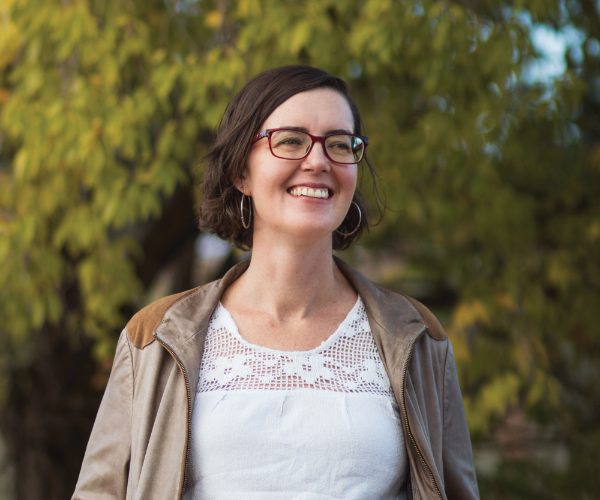
By Emily Withnall
While editing this issue of El Palacio, I spent a lot of time thinking about the body. Work has always been central to the American identity and in the West this work has—and continues to be—rooted in hard, physical labor. It’s the kind of labor that does not allow you to forget about your body. In New Mexico, as in many other places, this labor has often been deeply entangled with questions of race, class, nationality, and colonialism. Those who labor and those who gain wealth from this labor are usually not the same people.
In David Correia’s article about the Gallup coal wars, he chronicles the violent suppression of Mexican miners trying to unionize for better pay and working conditions. Miners’ speeches and picketing were met with a government response that included inflammatory accusations, incarceration, and deportations. Although the period covered in Correia’s article happened between 1933-35 in Gallup, New Mexico, the conflict between workers and those profiting from the work then reverberate in newspaper headlines today. Our context is both wildly different (the rise of artificial intelligence, biodiversity loss and dwindling water, and the speed at which we can travel or communicate, to name just a few) and eerily the same. There is, as ever, much we can learn about our present by looking to the past.
Perhaps making sense of our present and history is simply about returning to the body. As José Rivera, Enrique Lamadrid, and Levi Romero demonstrate in their co-authored article about molinitos (small mills) in Northern New Mexico, physical labor is also embedded in our food systems. The small flour mills that dot Northern New Mexico once sustained villages and communities that relied on regular wheat grinding. That the mills were often powered by flowing water in the acequias makes this labor more poignant; labor to dig and maintain the acequias, build the mills, and harvest the wheat is intimately tied to the water and food we need as nourishment.
How do we nourish the body when it is poisoned? This is not a question Daisy Atterbury asks directly in their recent book, The Kármán Line, but it is one I pondered while reading Chelsey Johnson’s profile of the author. With layered and intersecting inquiries about New Mexico histories, identities, geographies, and the state’s nuclear legacy, Atterbury brings the body into the narrative, too. Cancer is one concern with respect to nuclear exposure, but so too are gender, bodies in space, and space burials, among other things. Atterbury’s probing of Trinity Site and Spaceport America as sites of bodily discomfort grounds a conversation often marked by ethics alone. By placing their body in these challenging spaces, Atterbury offers one path for reckoning with discordant histories.
As Petra Salazar demonstrates in a love letter to her hometown, Española, culture itself can embody New Mexico’s layered histories. For Salazar and her friends and neighbors, lowriders function as a tangible shrine—both ode to memory and loved ones who have passed, and celebration of a rooted present. The cars are a testament to faith and devotion and function as a form of resistance to a fast-paced world. As Salazar shares, slow cruising functions as a physical form of prayer and reverence for querencia.
Often glued to our screens and interfacing through virtual realities, it’s easy to feel disconnected from our corporeal existence in a world we are very much a part of. Physical labor—whether to sustain the body, pay the bills, or create art—can root us in the landscapes that nourish us, helping us to embrace the complexity of our history and navigate a new way forward.